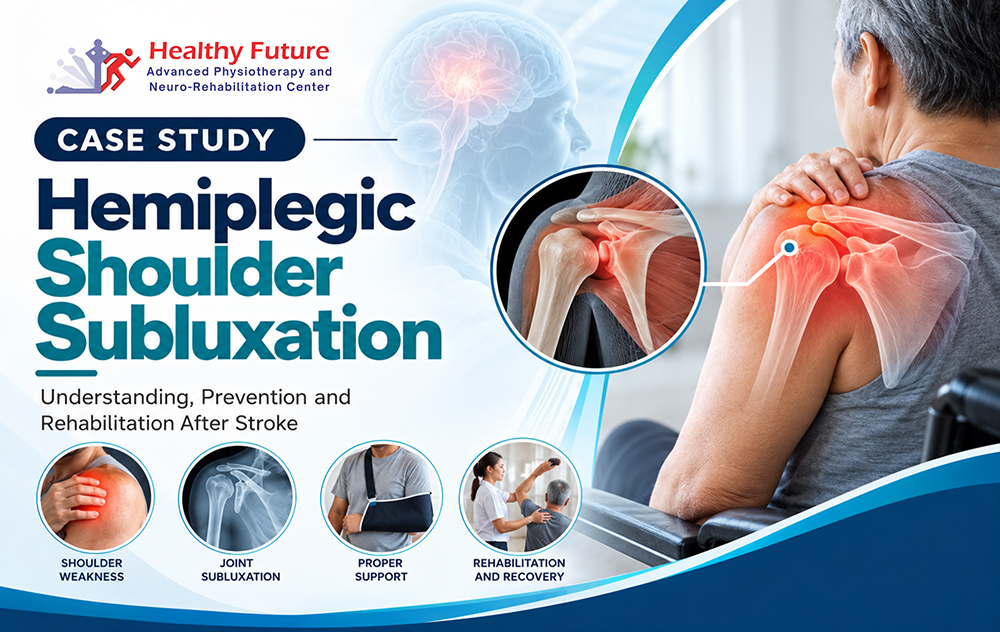
Hemiplegic Shoulder Subluxation
Shoulder joint plays an important role in performing daily activities such as reaching, dressing, and maintaining balance. After a stroke, weakness on one side of the body can affect how the shoulder is supported and controlled.
What Is Hemiplegic Shoulder Subluxation?
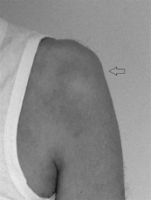
Hemiplegic shoulder subluxation is a partial separation of the shoulder joint that occurs on the affected side after a stroke. The shoulder depends largely on surrounding muscles to maintain its position. When these muscles become weak or flaccid, especially in the early stage after stroke, they are unable to hold the head of the humerus securely in the socket. As a result, the arm tends to drop downward due to gravity, creating a gap at the joint.
Why Does It Happen?
- In the flaccid stage, trunk leaning toward the affected side causes the scapula to descend, contributing to subluxation
- Flaccidity of trapezius and serratus anterior leads to downward rotation of the scapula
- Loss of rotator cuff tone reduces stability of the glenohumeral joint
- In the spastic stage, hypertonicity of pectorals, rhomboids, levator scapulae, and latissimus dorsi further causes downward rotation and worsens subluxation
- Improper handling
- Pulled affected arm during transfers
Common Signs:
- A visible or palpable gap between the shoulder and arm
- Difficulty in lifting or moving the arm
- Reduced awareness or neglect of the affected side
- Shoulder pain, which may develop gradually
How Rehabilitation Can Help?
In improving function and preventing further complications:
- Proper positioning and support of the arm during sitting, standing, and lying
- Use of slings
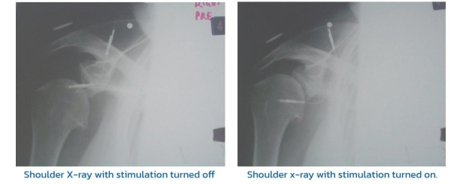
- Electrical stimulation to activate weak muscles and improve stability
- modified-Constraint Induced Movement Training [m-CIMT]
- Mental practice with motor imagery
- Taping or supportive techniques to assist in alignment
- Therapeutic exercises focusing on scapular stability and gentle range of motion
- Functional training to improve use of the affected arm
- Task-specific relearning training
Simple Daily Safety Tips:
- Caregiver’s education
- Always support the affected arm while sitting or walking
- Wheelchair devices such as lap trays and arm troughs
- Avoid letting the arm hang freely
- Never pull the affected arm during transfers, dressing, or bathing
- While dressing, put the affected arm into the sleeve first
- Perform range of motion exercises gently and correctly
- Avoid overhead exercises without proper guidance and scapular support
- Be cautious of stiffness and reduced movement, especially in external rotation
- Place a pillow under the forearm while lying on the back for proper support
The Role of Neuro-Rehabilitation:
The body has the ability to adapt with the right guidance and therapy. Neuro-rehabilitation helps patients develop strategies to improve muscle activation, maintain joint alignment, and regain functional independence. Early intervention plays an important role in preventing complications and improving recovery outcomes.
How We Help at Healthy Future:
At Healthy Future Advanced Physiotherapy and Neuro Rehabilitation Center, we focus on early prevention, proper positioning, and safe handling to protect the shoulder after stroke. Our approach includes guided exercises, muscle activation, and supportive techniques to maintain alignment and improve function. We aim to prevent complications, promote safe recovery, and help patients regain independence in daily activities.